Damp after rain?
Rain-linked dampness can point to an exposed surface, joint, crack, drainage issue or another water path.
Ask: where is the water coming from?
Real problems. Simple explanations. Clear next steps. Learn what common water-related signs can mean before you repaint, repair or pay for a solution.
Talk to an Expert →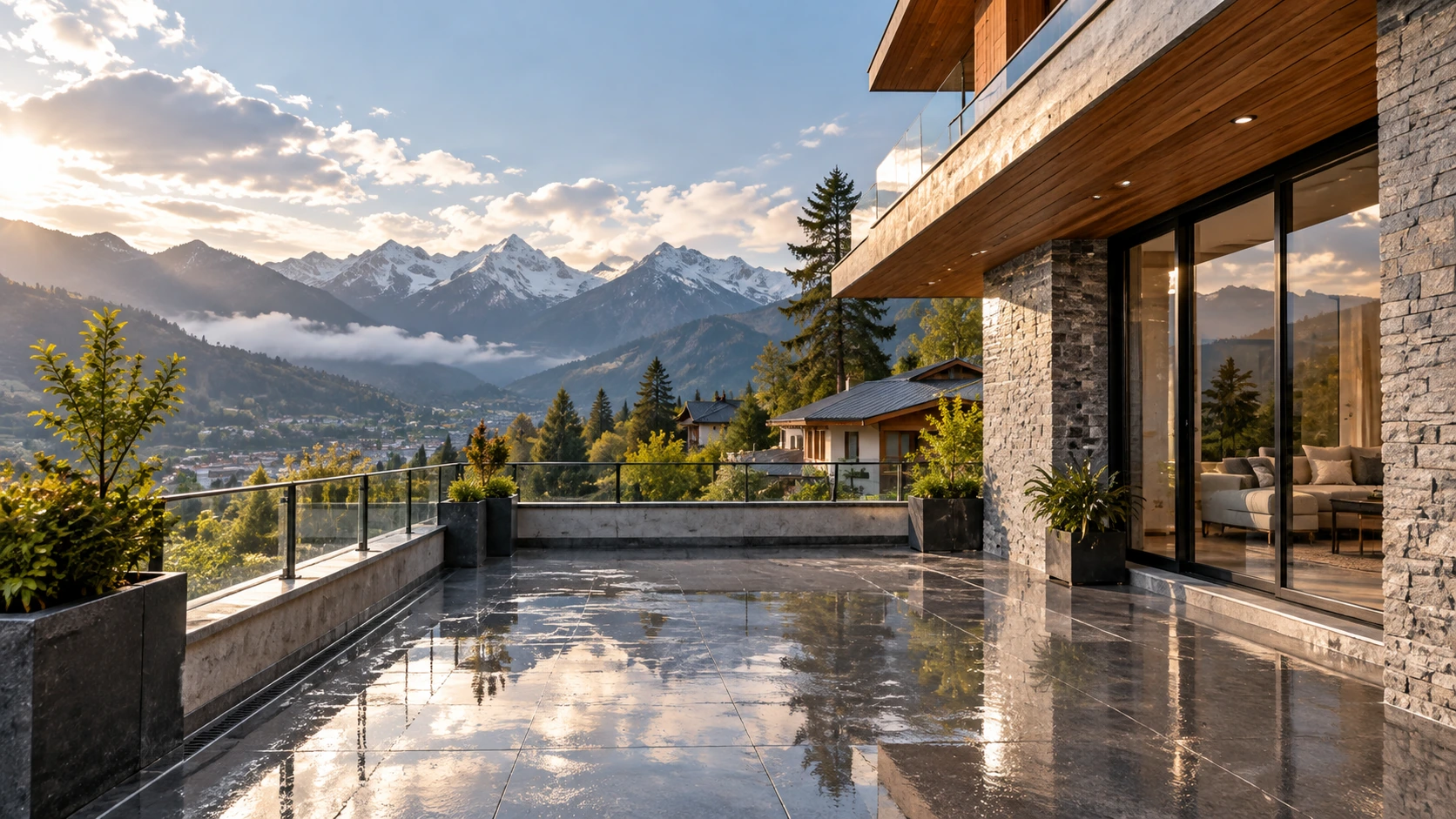
Most homeowners notice a symptom first—not the source. These are the everyday signs worth understanding before choosing a repair.
Rain-linked dampness can point to an exposed surface, joint, crack, drainage issue or another water path.
Ask: where is the water coming from?Repeating paint damage may be a moisture symptom. Repainting alone may hide the clue rather than solve the cause.
Ask: what is behind the finish?Persistent moisture can remain in corners, walls, wet areas or below-ground spaces even when the surface looks dry.
Ask: is moisture trapped somewhere?Standing water on terraces and balconies can put extra pressure on surfaces, joints and drainage points.
Ask: where should the water go?Short, practical guides built around the questions people actually ask when water starts affecting their property.
Before choosing a coating, look at drainage, cracks, joints, slope and the areas where water stays longest.
Read the Guide →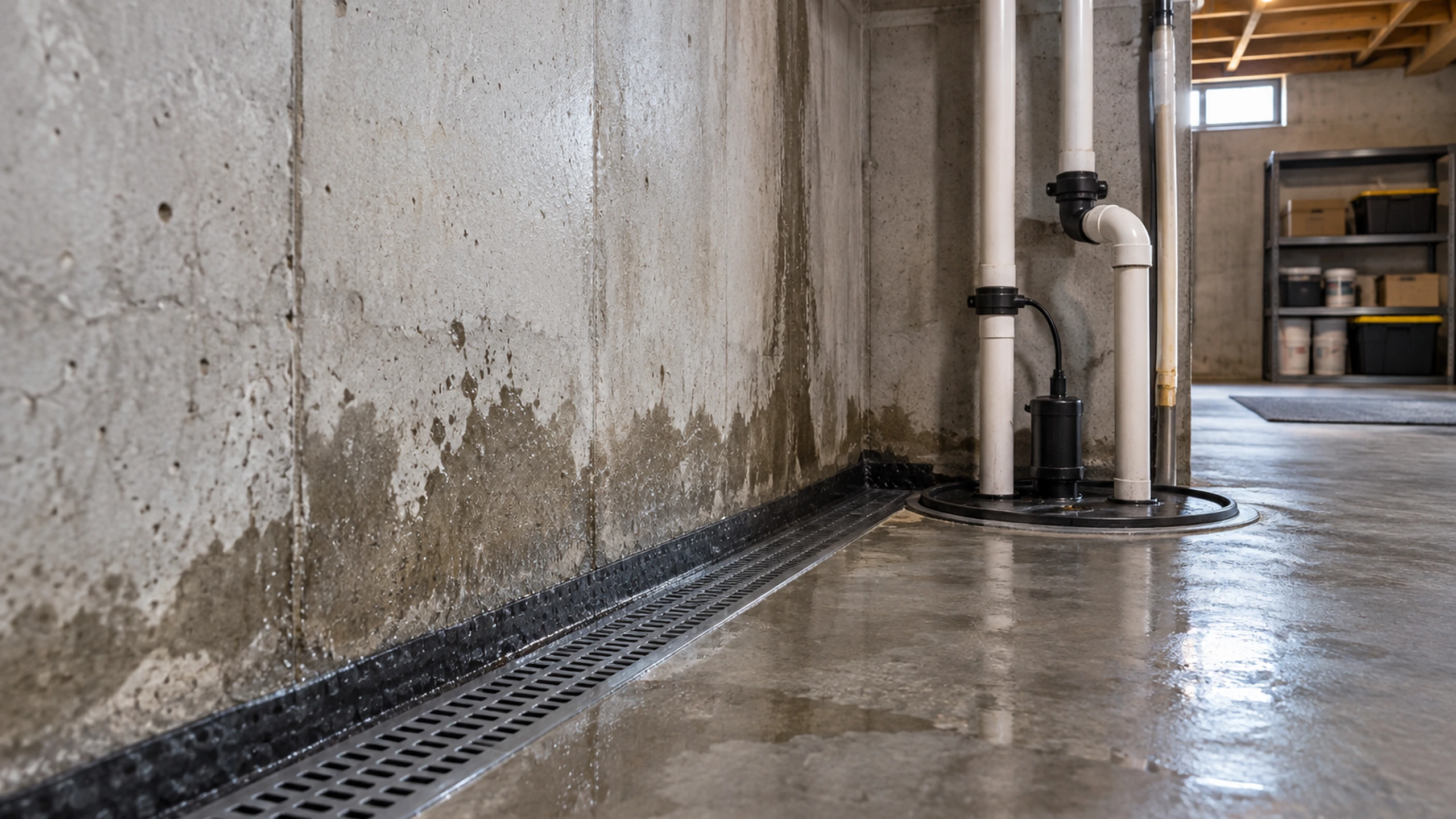
Below-ground moisture can come from several directions. Understanding water pressure and entry paths helps frame the right response.
Read the Guide →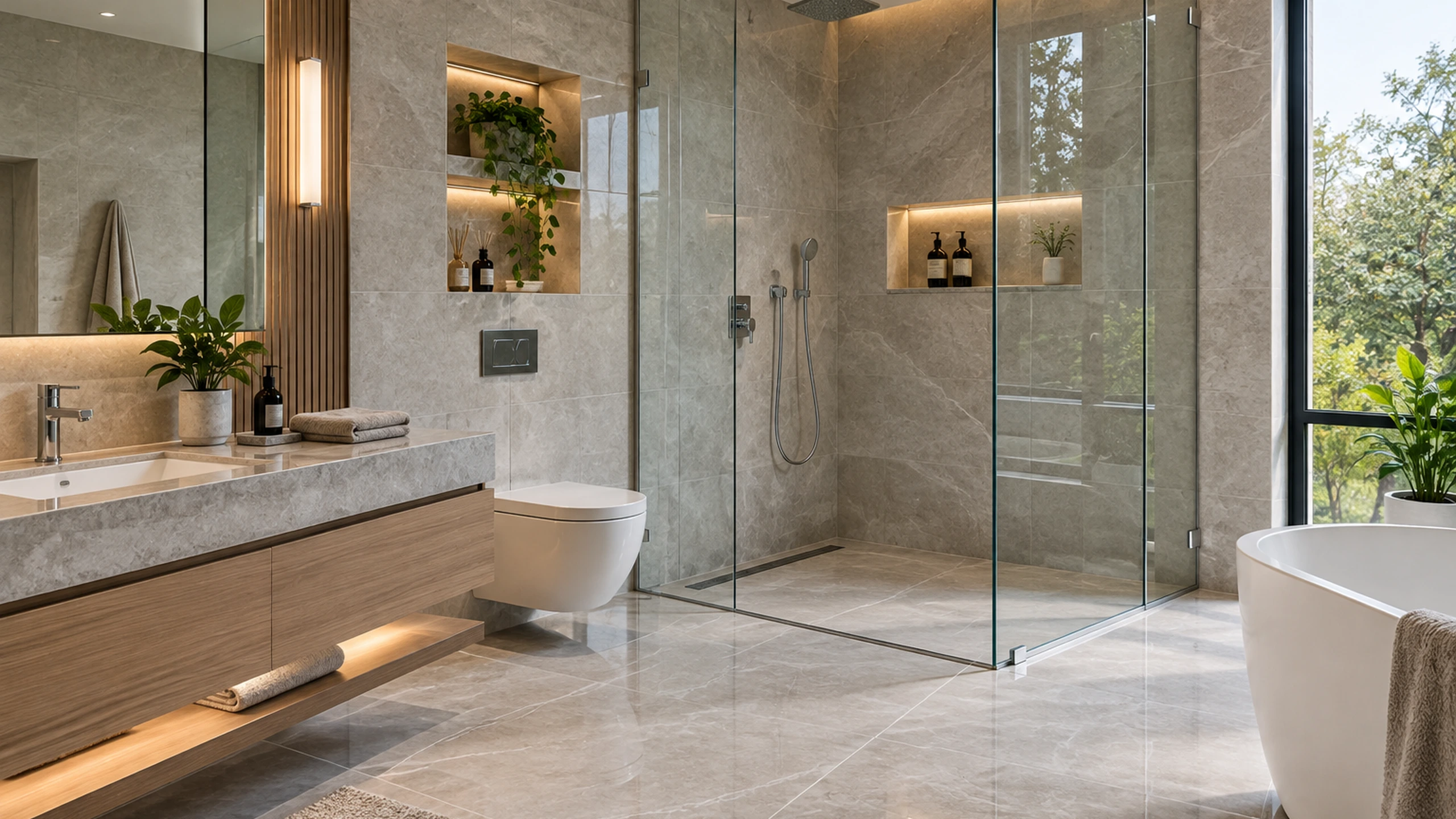
Hidden waterproofing details sit behind finishes. Planning them properly can prevent avoidable damage later.
Read the Guide →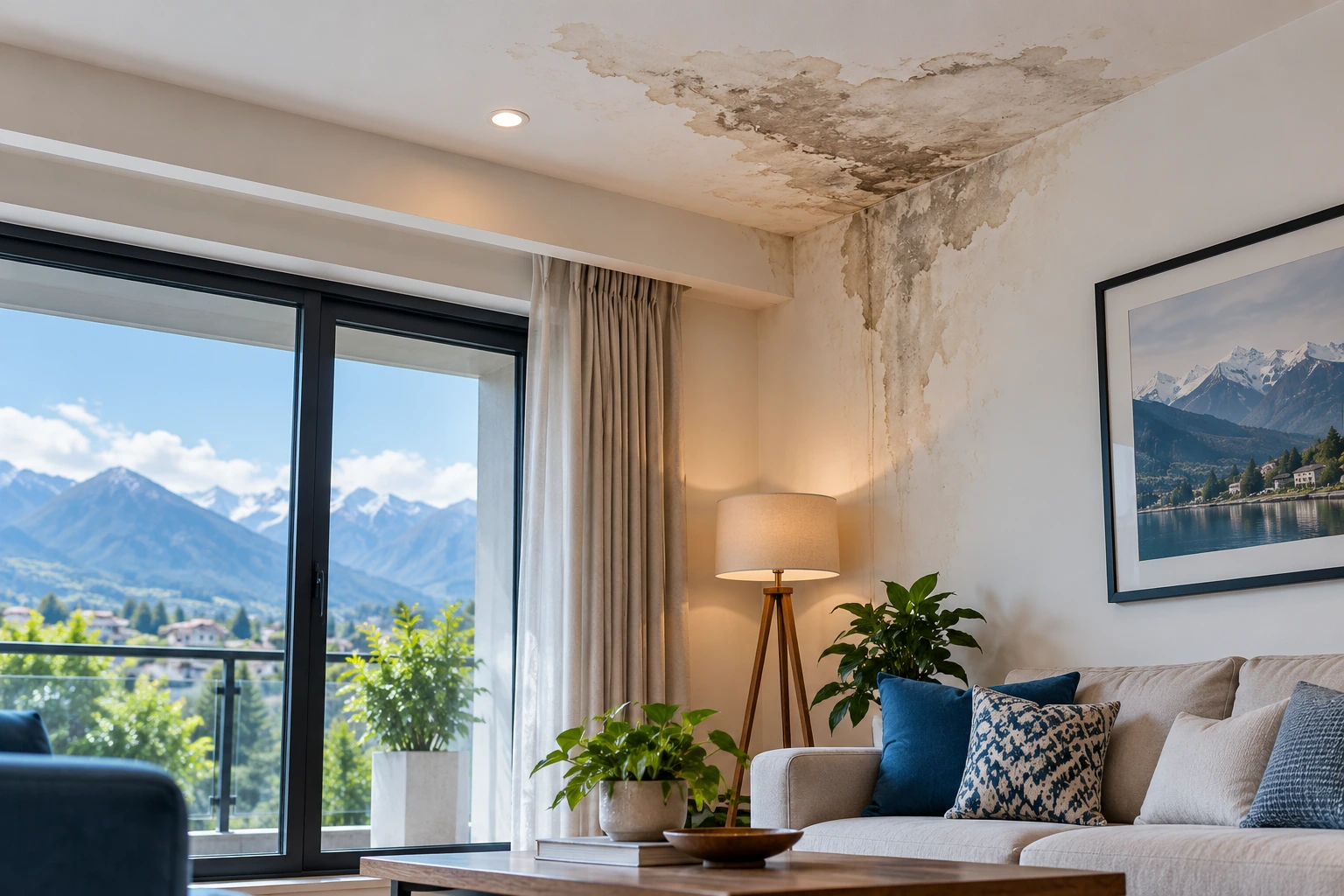
A fresh coat can improve appearance, but recurring dampness deserves a closer look at the moisture path first.
Read the Guide →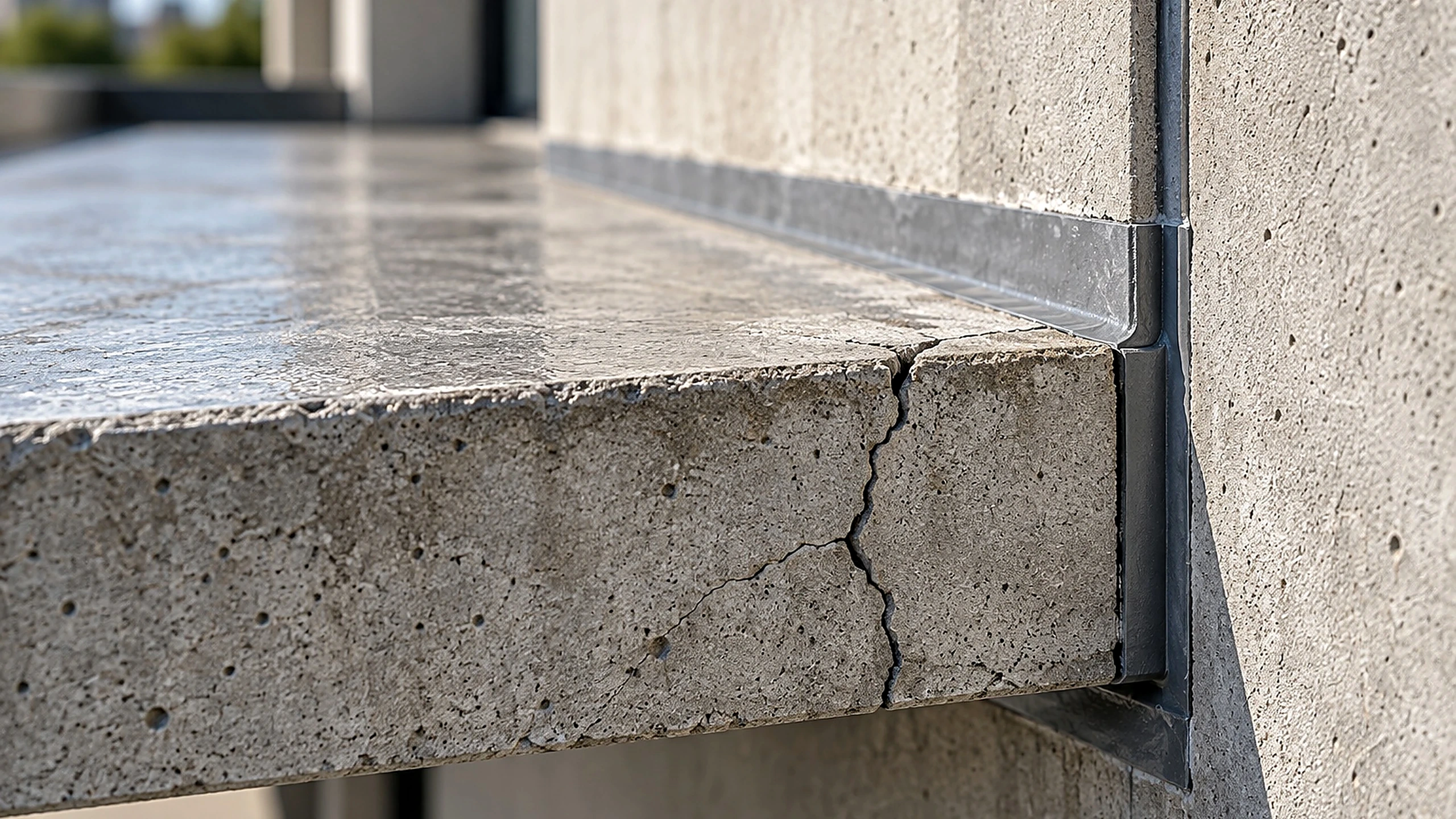
Not every crack means the same thing. Location, pattern, movement and water exposure all add useful context.
Read the Guide →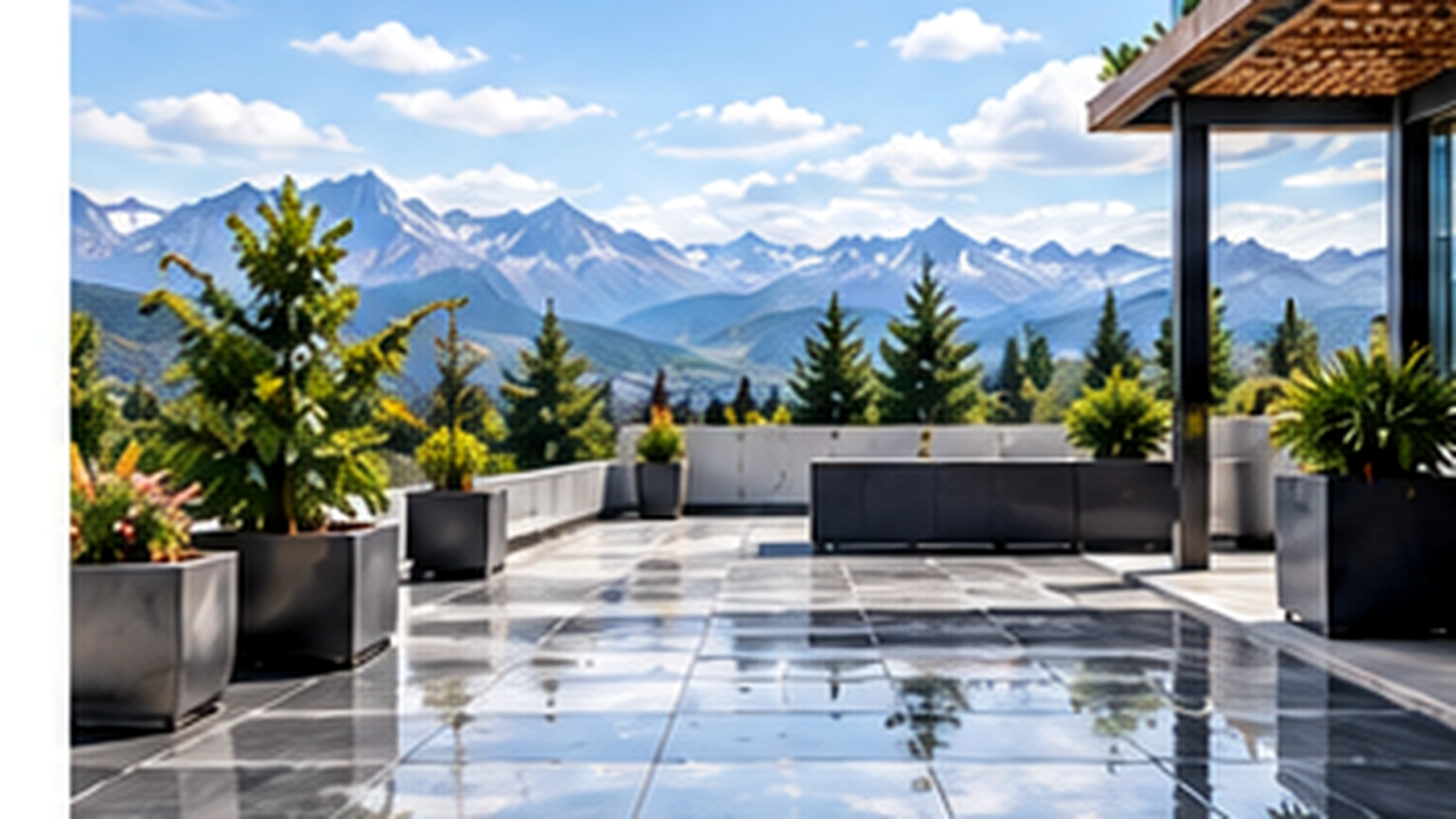
Watching drainage, exposed surfaces, joints and early signs of moisture can help you act before a small issue becomes a larger one.
Read the Guide →Start with the issue you can see. Use these short guides to understand what to look for before choosing a repair.
Start with the places where water can collect or change direction: drains, corners, joints, cracks, parapets and low spots. Look for ponding after rain and signs that water is moving toward walls or edges. The useful question is not only “what coating should I use?” but “where is the water coming from, and where should it go?”
Below-ground spaces can receive moisture through walls, floor joints, construction joints, cracks or drainage pressure. Check whether the issue follows rainfall, appears at a joint, or stays present in dry weather. Understanding the entry path helps determine whether the response should focus on drainage, joint treatment, internal protection or external waterproofing.
Bathrooms hide critical waterproofing behind tiles and finishes. Pay attention to floor-to-wall junctions, pipe penetrations, shower areas, thresholds and changes in level. If dampness appears outside the bathroom, the visible mark may be farther away from the actual entry point.
Peeling paint is often a symptom rather than the source. Check whether dampness follows rain, rises from the floor, appears around windows or sits near plumbing. Repainting before understanding the moisture path can make the wall look better temporarily while the underlying issue remains.
Look at the crack's location, width, pattern and whether it appears to be changing. Hairline surface cracks and active movement can require different approaches. When water is involved, joints, transitions and drainage around the crack are useful parts of the inspection—not just the crack itself.
Before and after heavy rain, check drains, terrace outlets, exposed joints, parapets, exterior wall surfaces and areas where water tends to sit. Clear visible drainage blockages and watch for new stains, damp smells or recurring paint damage. Early observation can help you address a developing water path before finishes deteriorate further.
“Know the problem before you pay to fix it.”
Use the Knowledge Bank to ask better questions and make more informed waterproofing decisions.